Revolutionize Your Area With Skilled General Contractor Expertise: Superior Craftsmanship, Trustworthiness, and Attention to Detail
Transforming a space requires careful consideration and expertise. General contractors bring a wealth of knowledge in coordinating projects, handling regulations, and delivering quality craftsmanship. Their emphasis on reliability and precision facilitates a seamless renovation experience. Understanding the nuances of hiring the right contractor can significantly impact the outcome. Yet, many ignore essential factors that contribute to successful transformations. What should one prioritize to achieve the desired outcomes?
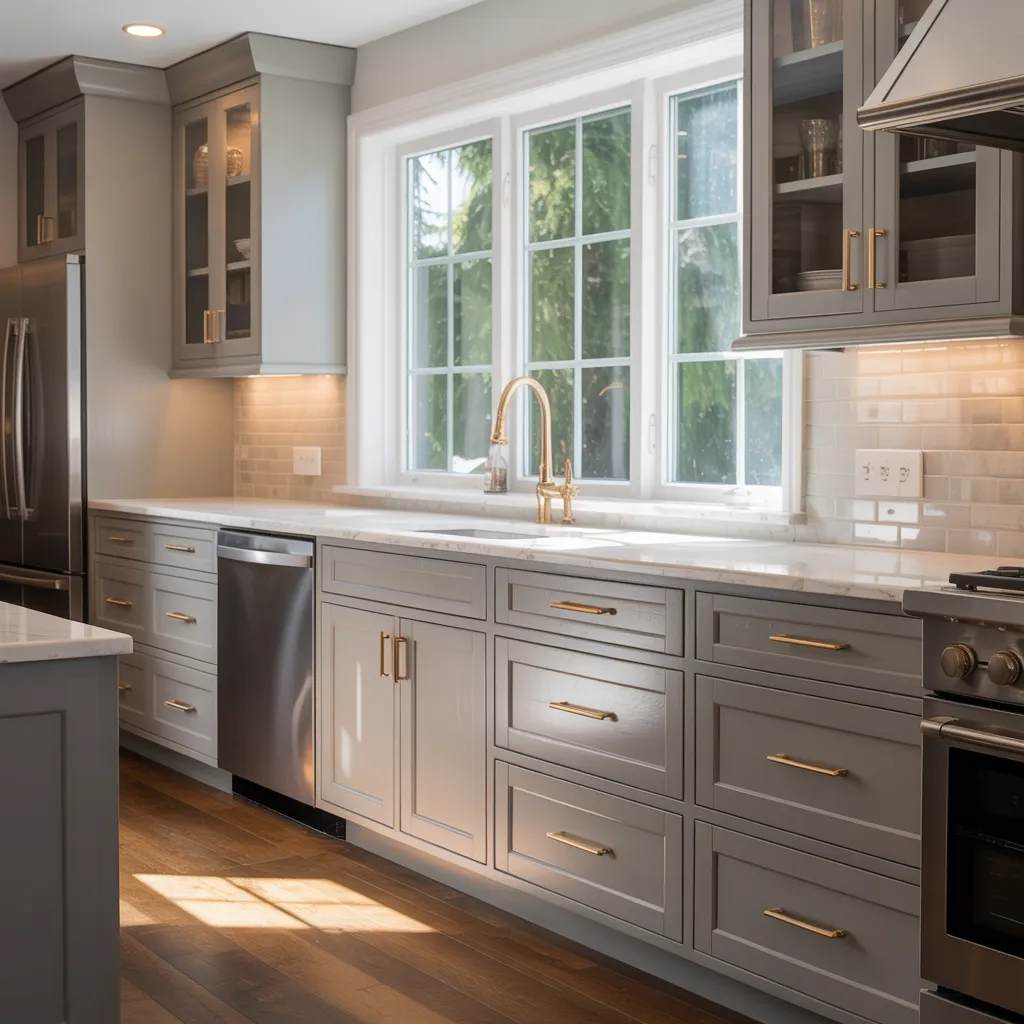
Common Reasons for Hiring an Professional General Contractor
Several home and business owners come across circumstances that require the knowledge of a general contractor. Home improvement endeavors often prompt the call for a skilled professional, especially when structural changes or extensive remodeling is required. General contractors hold the comprehension to deal with regional building codes and requirements, making certain that construction adhere to legal standards.
Furthermore, when undertaking large-scale construction, such as commercial spaces or multi-room renovations, a general contractor can efficiently manage schedules, budgets, and subcontractors. This coordination prevents costly delays and guarantees that all aspects of the project come together seamlessly.
Furthermore, some property owners may be without the needed skills or time to perform complex tasks, making a general contractor an essential asset. From preliminary planning to final inspections, their experience is critical in achieving a successful outcome, therefore transforming spaces efficiently and effectively.
Why Quality Matters in Construction and Renovation
Quality functions as a cornerstone in construction and renovation projects, directly impacting the longevity and safety of structures. Superior materials and workmanship make certain that buildings can resist environmental stressors, decreasing the risk of future breakdowns or repairs. A focus on quality also boosts aesthetic appeal, contributing to the overall value of the property.
Moreover, adhering to high standards during construction minimizes the probability of code violations and legal issues, promoting a smoother project completion. Quality workmanship reflects the professionalism and expertise of the general contractor, fostering trust between the contractor and the client.
Committing to quality not only fulfills immediate needs but also reinforces long-term goals, ensuring that spaces remain usable and inviting for years to come. In the end, the emphasis on quality in construction and renovation is vital for creating long-lasting, safe, and visually attractive environments that stand the test of time.
How Reliability Strengthens Your Renovation Journey
Consistency holds a key position in enriching the remodeling experience by ensuring consistent project timelines and fostering dependable communication. When clients can count on their general contractors to meet deadlines, it alleviates stress and builds confidence in the process. In addition, clear and honest communication practices further strengthen the relationship, making the entire remodeling experience more satisfying.
Predictable Work Timelines
As property owners embark on a remodeling project, the importance of consistent project timelines is essential, as they represent a cornerstone for a streamlined renovation experience. Trustworthy contractors establish clear schedules, specifying each phase of the project and defining realistic completion dates. This predictability allows homeowners handle their expectations and arrange for any necessary adjustments in their daily lives. Additionally, consistent timelines help contractors to manage resources efficiently, limiting delays and guaranteeing that tradespeople are available when needed. When projects adhere to established timelines, the likelihood of budget overruns lessens, improving overall satisfaction. Finally, reliable scheduling promotes a sense of trust and professionalism, allowing homeowners to prioritize their vision rather than logistical concerns during the remodeling process.
Reliable Interaction Standards
Productive communication is a key factor of the remodeling process, intrinsically connected to the reliability established through consistent project timelines. When a general contractor prioritizes dependable communication practices, clients receive greater transparency and peace of mind. Consistent updates, well-defined expectations, and open channels for feedback cultivate a collaborative environment, allowing homeowners to express concerns and ask questions throughout the project. This proactive approach not only minimizes misunderstandings but also develops a strong relationship between the contractor and the client. Finally, reliable communication solidifies trust, confirming that the remodeling experience is seamless and positive. By committing to these practices, general contractors can considerably increase client satisfaction, leading to successful projects and potential referrals.
Accuracy in Implementation: The Path to Flawless Outcomes
Attaining flawless outcomes in construction projects depends on the precision of execution. When general contractors carefully plan each stage of a project, they make certain that every detail is addressed, from measurements to material selection. This attention to detail minimizes errors and enhances overall quality.
Incorporating cutting-edge approaches and technologies, experienced contractors can deliver reliable results that align with client specifications and industry standards. Accuracy also extends to coordination among subcontractors, ensuring that all parties function together towards a common goal.
Moreover, strict observance of precise deadlines and budgets additionally demonstrates the significance of precision in execution. Any departure can lead to costly delays and sacrifices in quality. By making a priority of precision, general contractors develop a solid reputation, which brings satisfied clients and repeat business. In the end, the commitment to impeccable execution not only strengthens the finished product but also solidifies trust in the contractor's capabilities.
Key Services Provided by Expert General Contractors
Skilled general contractors deliver a comprehensive range of services that are essential for the successful completion of construction projects. These professionals handle the entire process, from initial planning and design check this resource to the final walkthrough. Key services include project management, where they organize schedules, budgets, and resources to ensure timely delivery. They also provide expertise in acquiring necessary permits and adhering to local regulations.
In addition, expert general contractors coordinate subcontractors, ensuring that specialized tasks such as plumbing, electrical work, and carpentry are executed to high standards. They carry out regular site inspections to ensure quality control and tackle any issues swiftly. Additionally, these contractors deliver valuable guidance on material selection and sustainable practices, elevating both functionality and aesthetics. Ultimately, their diverse skills and knowledge substantially enable the seamless execution of construction projects, ultimately transforming spaces in an effective and efficient manner.
Essential Considerations for Hiring a General Contractor
In the process of hiring a general contractor, several key factors ought to be evaluated to secure a successful project. Expertise and experience, in addition to proper licensing and insurance, are essential signs of a contractor's credibility. Furthermore, excellent communication capabilities can significantly impact the total effectiveness and final result of the construction process.
Knowledge And Proficiency
What steps should be taken to select the appropriate general contractor for a project? Examining the qualifications and knowledge of candidate contractors is vital.A qualified general contractor must show evidence of comparable completed work that aligns with the client's goals. Examining their past projects can reveal their skill level and design aesthetic. One must also account for how long the contractor has been operating; sustained presence in the industry commonly signifies competence and dependability. Additionally, obtaining feedback and recommendations from past clients can provide important insights into the contractor's professionalism, responsiveness, and ability to resolve issues. Finally, picking a contractor with considerable background ensures the work is completed with appropriate proficiency and precision.
Licensing and Insurance Requirements
The licensing and insurance of a general contractor are crucial aspects to examine, as they deliver assurance regarding compliance and protection. A properly licensed contractor exhibits conformity to local regulations and industry standards, guaranteeing quality work. Homeowners should verify the contractor's license through relevant state or local agencies to confirm its validity.
Insurance protection is similarly crucial, as it safeguards both the contractor and the homeowner from possible risks. A trustworthy contractor should maintain general liability insurance, which covers incidents and property damage that may take place during the project. In addition, workers' compensation insurance is essential to guard against injuries suffered by workers on-site. Before hiring, homeowners need to request proof of both licensing and insurance to confirm they are making a prudent decision.
Clear Communication Skills
Strong communication skills are essential for a productive partnership with a general contractor, as they facilitate clear expectations and smooth project management. When hiring a general contractor, it is crucial to examine their ability to convey information effectively. This includes not only clear verbal communication but also the ability to listen actively to client concerns and feedback. A competent contractor should provide consistent updates on project progress, timelines, and any potential issues that may arise. They should be open to questions and willing to discuss options in depth. Additionally, transparency regarding costs and changes is critical. By focusing on communication, clients can ensure that their vision is accurately executed, leading to a more favorable outcome and a positive working relationship.
The Benefits of Customization in Your Space Transformation
While many homeowners may settle for standard designs, the actual benefit of a space redesign depends on its customization. Adapting a room to unique requirements simultaneously improves appearance and strengthens functionality. Personalized layouts enable property owners to integrate individual flair, making certain the room showcases their individual style and daily habits.
In addition, customization can satisfy specific needs, such as enhancing storage or refining layout for better flow. This targeted approach leads to a more practical use of space, ultimately resulting in greater satisfaction. Customization also nurtures emotional connections to the home, creating an environment that feels remarkably personalized.
Moreover, working with a general contractor proficient in customization can optimize the remodeling process. Their knowledge makes certain that all elements are perfectly integrated, from materials to finishes, resulting in a cohesive design. Eventually, customization changes a standard space into a personalized sanctuary that reflects the homeowner's vision.
Advice for Productive Communication With Your Contractor
Effective remodeling projects depend on both customization and transparent communication between homeowners and contractors. Homeowners should start by clearly expressing their vision and expectations to promote productive communication. This clarity helps contractors understand the project scope and specific requirements. Frequent touchpoints via meetings or quick phone conversations enable both sides to resolve issues immediately.
Homeowners should also be open to feedback, as contractors frequently have valuable insights derived from their experience. Using visual aids, such as mood boards or sketches, can additionally improve understanding, making certain that both parties continue to be on the same page throughout the project.
Additionally, maintaining a written record of correspondence, including agreements and changes, is essential for accountability. Last but not least, expressing gratitude for the contractor's efforts can nurture a positive working relationship, promoting collaboration and in the end leading to a successful transformation of the space.
Common Questions
When Should I Hire a General Contractor?
Identifying the need for a general contractor requires examining project complexity, required permits, and specialized skills. Homeowners should evaluate their budget, timeline, and experience level, as well as the project's scale and potential challenges.
What Is the Standard Timeline for Renovation Projects?
Common project timelines for renovations can vary widely, generally extending from a few weeks for basic updates to several months for comprehensive remodels. Elements impacting duration include project scope, permits needed, and contractor availability.
Do All Renovation Types Need Permits?
Permits are typically needed for most renovations, particularly those involving structural changes, electrical work, or plumbing. However, small cosmetic updates may not necessitate permits, based on local regulations and particular project details.
How Do Contractors Tackle Unforeseen Issues During a Project?
Contractors handle unexpected issues by evaluating the problem, discussing with clients, and implementing remedies. They may update timelines and budgets, guaranteeing that the project continues on track while maintaining clear communication throughout the renovation process.
Which Payment Methods Are Offered for Contractor Services?
Contractors commonly offer diverse payment methods, including cash, credit cards, checks, and financing plans. Some may require deposits upfront, while others allow milestone payments throughout the project, providing flexibility for clients with varying financial circumstances.